Every job below is one we do ourselves across Lynwood.
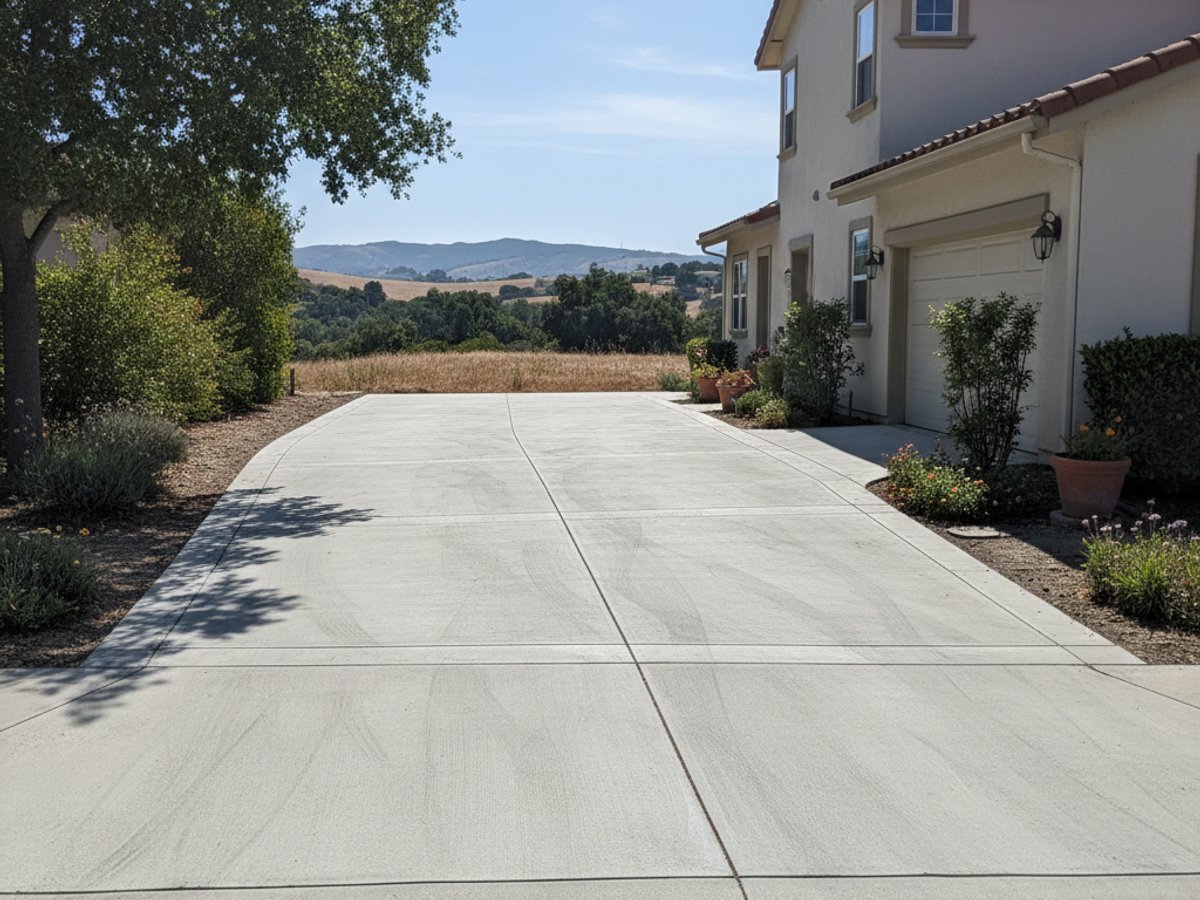
A driveway carries more weight than any other slab on your property, so we run it at a minimum of 4 inches thick with rebar, more if you're parking anything heavier than a sedan. We compact the base first, because a driveway that cracks in the first year almost always failed underneath, not on top. Broom finish is standard, but we can do a light exposed finish if you want more grip in the rain.
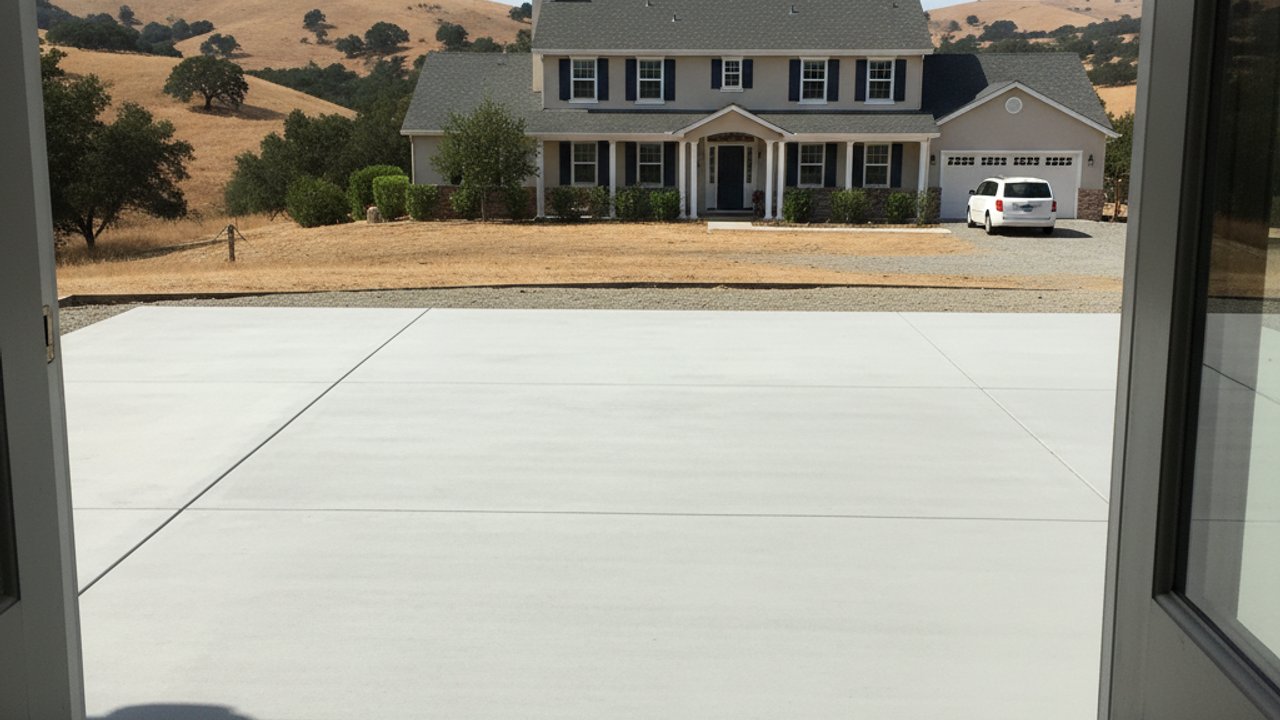
Patios need to pitch away from the house, about a quarter inch per foot, or you end up with water sitting against your foundation. We form and pour to that slope and float the surface so it doesn't leave a birdbath in the middle. Broom, salt or stamped finish, your call, we'll tell you which holds up better under patio furniture.
Stamped concrete gives you the look of flagstone, slate or brick without individual pieces to shift or weeds coming up between joints. We color it through the mix or with a release agent depending on the look you want, then seal it so the color doesn't fade in a summer. It costs more than plain concrete, and it's worth it on a patio or entry where you want it to look finished, not just poured.
Cracks, spalling and sections that have sunk or heaved all get fixed differently, so we look at the cause before we quote a fix. A hairline crack from shrinkage gets routed and sealed, a slab that's sunk from soil settlement usually needs mudjacking or removal and repour. Patching a structural crack with mortar just hides it until it opens back up, so we don't do that.
Walkways get root damage more than any other slab because they're usually the closest concrete to a tree. We either dig out the root that's causing the heave or run the walkway around it, depending on how big it's gotten. A 3-inch pour with wire mesh handles foot traffic fine, no need for the rebar a driveway needs.
Steps take a beating from feet, weather and whatever gets dragged up them, so we pour them thicker than a patio slab and finish the nose of each tread so it doesn't chip first. Rise and run has to match code, usually 7 inches up and 11 inches deep, so the steps feel right walking up them. We can match the finish to an existing porch slab or start fresh if the old one's falling apart.
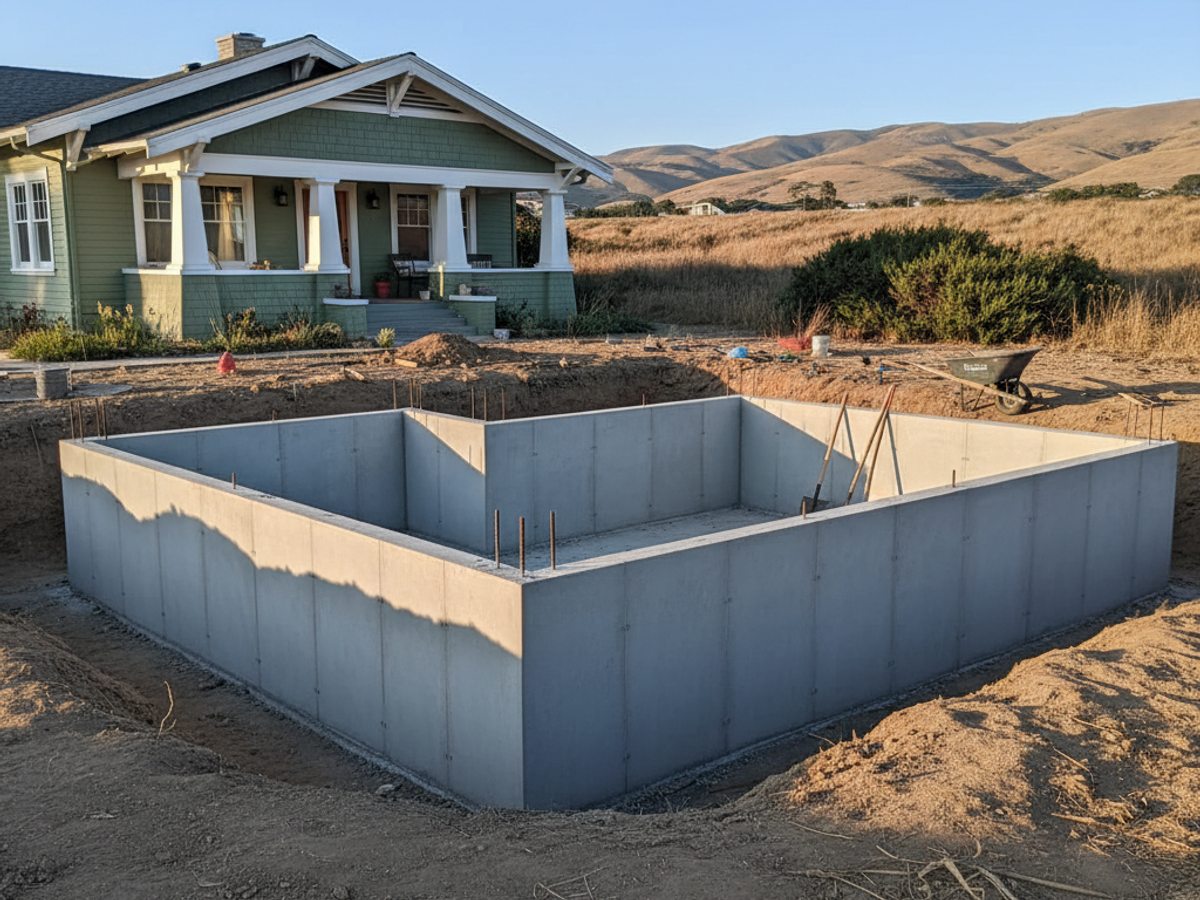
A retaining wall over 4 feet needs an engineer's stamp in most cities around here, and we'll tell you straight if your project needs one. Drainage behind the wall matters more than the wall itself, without weep holes or gravel backfill, water pressure builds up and pushes the wall out over time. We build block and poured concrete walls both, depending on the height and the look you want.
A shed slab and a garage slab aren't the same job. A garage slab needs to handle a car's weight and usually a vapor barrier underneath if it's finished space, a shed slab just needs to be level and above grade so water doesn't run under the door. We size the base and thickness to what's going on top of it, not a one-size pour.
Old, cracked concrete has to come out before new concrete goes in, and that means breaking it up, hauling it off and checking what's underneath. Sometimes the base is fine and just needs new concrete on top, sometimes the whole thing has to be dug out and started over. We haul the debris off the same week so it's not sitting in your yard.
Exposed aggregate finish washes the top layer of cement off the surface so the stone underneath shows through, which gives you more traction than a smooth broom finish. It works well on driveways and pool decks where slip matters. Timing the wash-off is the whole trick, too early and the stone comes loose, too late and it barely shows.
Four steps, and no surprises in any of them.
You tell us what you want doing, we look at what is actually there, and we ask the awkward questions early.
In writing, itemised, free. If something might add cost later we flag it now rather than at the end.
Same crew throughout. We cover your floors, keep the dust down and tidy up before we leave each day.
You point out anything you are not happy with and we fix it before the invoice, not after.
Same crew, same equipment, wherever the job is in our service area.
Questions that usually come up once a concrete job is actually underway.
Describe the problem and we will tell you what it probably is. No obligation.